

The Art of Making Memories Explained: 8 Science-Backed Ways to Create Happy Memories
- Tanya Serrao

- Apr 25
- 3 min read
Why do some days disappear without leaving a trace, while others stay with us for decades? Why can you remember the smell of your grandmother’s kitchen or your first heartbreak in vivid detail, but not what you did last Tuesday?
A happy life is not the same as a memorable Life. And memories can be designed.
Here are 8 psychological ingredients that make experiences stick.
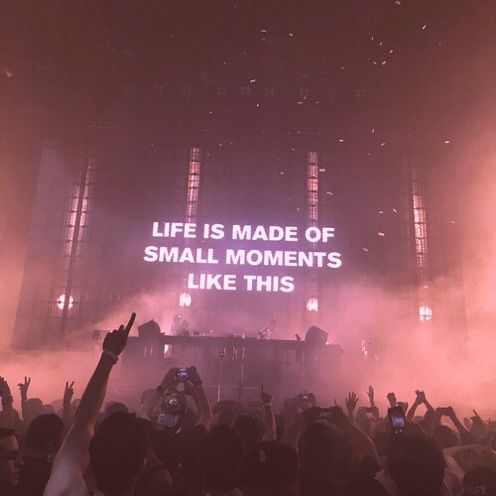
Firsts slow down time
Your brain loves novelty. This is why people over forty years of age, experience the “reminiscence bump”. An overload of memories from their teens and twenties, a phase filled with “firsts”. First love, first job, first home, first independence. As life becomes routine, time speeds up. Not because it actually moves faster, but because fewer moments get encoded into memory.
Therefore, seek novelty deliberately. New places. New foods. New routes. New rituals. Even something as simple as “chasing mangoes” can wake up your brain.
Multisensory Moments last longer
62% of happy memories are multisensory. Sight alone isn’t enough. Taste, smell, sound and touch act like glue for memory. This is why a smell can suddenly transport you back to childhood. A phenomenon known as the “Proust Effect”. A single sensory cue can unlock an entire emotional world. To make moments memorable, don’t just see them. Notice the texture. The sound. The temperature. The smell in the air.

Attention is the Foundation of Memory
Attention is the baking tray. Without it, nothing sticks. As Sherlock Holmes once said - “You see, but you do not observe”. In the age of smartphones (weapons of mass distraction), we often split our attention during moments that could have mattered. If you want to remember your life, you must show up for it. Put the phone down. Treat experiences like dates. Be present enough to encode them.
Meaning Makes Memories Sticky
We remember what matters. 37% of memories are major milestones. Such as weddings, birthdays, graduations. But the rest were tiny moments of connection : shared jokes, quiet walks, unexpected kindness. Meaning doesn’t have to be dramatic. You can create it by marking moments. Like finishing a project, hitting a fitness goal, surviving a hard week. Celebration is a memory strategy.
Emotion is the Brain’s Highlighter Pen
Emotion tells the brain : This matters - save it.
The amygdala amplifies emotionally charged experiences, making them easier to recall. This is why first kisses, breakups and major world events stay so vivid. Do things that gently scare you or stretch you psychologically. Comfort zones are memory deserts. Emotions wakes the brain up.

Peaks, Ends and the Power of Struggle
According to the Peak-End rule, we don’t remember experiences accurately. We remember the most intense moment and how it ended. Therefore, end of a high note. Even struggles improve memory. The peak feels higher because of the climb. The difficulty gives the story texture. Smooth lives are forgettable. Lived lives are not.
Turn Life into Stories (before you forget it)
Memory fades fast. According to Ebbinghaus’s forgetting curve, we lose 70% 0f information within 24 hours unless we revisit it. Stories slow the forgetting. Whn you retell an experience, you rehearse it neurologically. Even mishaps like freezing on the backseat of a bike on a windy bike can feel like legendary adventures. Stories don’t just preserve memory. They give it meaning.
Outsource Memory - wisely
Only 7% people used physical mementos or photos intentionally. We have digital amnesia, where we store thousands of photos which are never revisited. Memories don’t survive chaos. Curate. Print. Create albums. Select your Happy Hundred photos each year, so your memories don’t vaporise into the cloud.
Become a Memory Architect
Your brain is not just a memory machine - its a future simulator. It uses past experiences to predict what might make you happy again. When you study your happiest memories, you gain a blueprint for designing future ones. This is what it means to become a memory architect. “One day, your life will flash before your eyes. Make sure it’s worth watching”.
Disclaimer: This blog post is meant for awareness/entertainment purposes only. It is not medical advice and one must refrain from self-diagnosing. It is in no way a substitute for therapy with a mental health professional and it is not meant to be clinical. To consult with a psychotherapist on our team, you can contact us on fettle.counselling@gmail.com.


Comments