

When the World Hurts
- Alanis Ann Alex

- Jun 6
- 2 min read
A reflection on Vicarious trauma, news cycle and how we can care for ourselves while staying informed.
May was heavy. If you found yourself scrolling through news with a knot in your stomach, refreshing the updates every hour on cases you could not stop thinking about even before your morning chai, you are not alone.
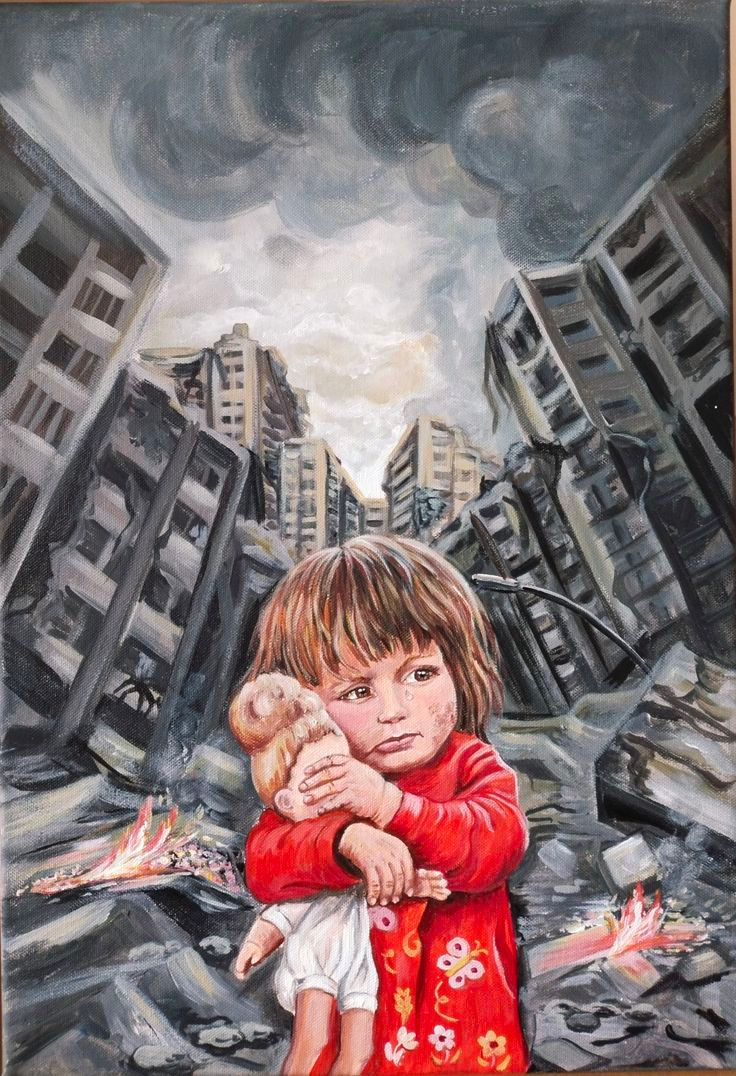
What you may have experienced is called Vicarious trauma, it is the emotional and psychological impact of being witness to someone else’s traumatic experience. This can be because of the repeated exposure to the events through media, conversations or even your work.
Pause: Think back to this past month. Was there any news story that you kept returning to, even when you wanted to stop? How did it feel in your body? |

A May to remember, for all the wrong reasons!
The Indian news cycle in the past month was relentless. Several cases of violence and abuse flooded our phone’s notifications, sometimes making it impossible to look away.
Be it Twisha sharma’s case from Bhopal, the 10 year old girl’s murder in Tamil Nadu or Baby Arshid’s death in Kerala, each story was devastating. Together in a single month it created a Cumulative exposure, a buildup of multiple traumatic experiences that affect our nervous system.
Pause: In the past month did you feel numb or increasingly raw and reactive as the news got worse? |
Our brain processes witnessed trauma similar to experienced trauma. It might actually show up like:
Difficulty concentrating, replaying headlines
Sudden irritability, anger
Helplessness and intense rage
Tightness in the body, sleep issues
Avoidance or numbing
A shift in worldview
Coping with Vicarious trauma
Consumption boundaries- Designate specific time for news, not first thing in the morning or last thing before you go to sleep. Turn off breaking-news notifications.
Observing vs Absorbing- While we allow other’s pain to go through us, let's not soak it all in.
Distinguishing witnessing from responsibility- Our grief and anger is valid and appropriate but carrying the weight to solving it alone, is not ours to bear. We can channelise our outrage into making platforms for difference and change
Connection over solo consumption- sharing with a close friend how we actually feel can help in regulating our emotions and safely expressing them. Connection can be far more regulating than consuming alone
Pause: What is one small thing you can do this week, not to quickly feel better but genuinely take care of yourself? |
References:
Seo (2025) Understanding cumulative trauma: Causes & recovery, San Diego Inpatient Mental Health Facility - California Healing Centers. https://californiahealingcenters.com/blog/cumulative-trauma-disorder/
The Vicarious Trauma Toolkit: What is vicarious trauma?: OVC (Office for Victims of Crime).
What is vicarious trauma? and what can you do about it? Cleveland Clinic. https://health.clevelandclinic.org/vicarious-trauma
Disclaimer: This blog post is meant for awareness/entertainment purposes only. It is not medical advice and one must refrain from self-diagnosing. It is in no way a substitute for therapy with a mental health professional and it is not meant to be clinical. To consult with a psychotherapist on our team, you can contact us on fettle.counselling@gmail.com.



Comments